Forced Circulation Evaporators
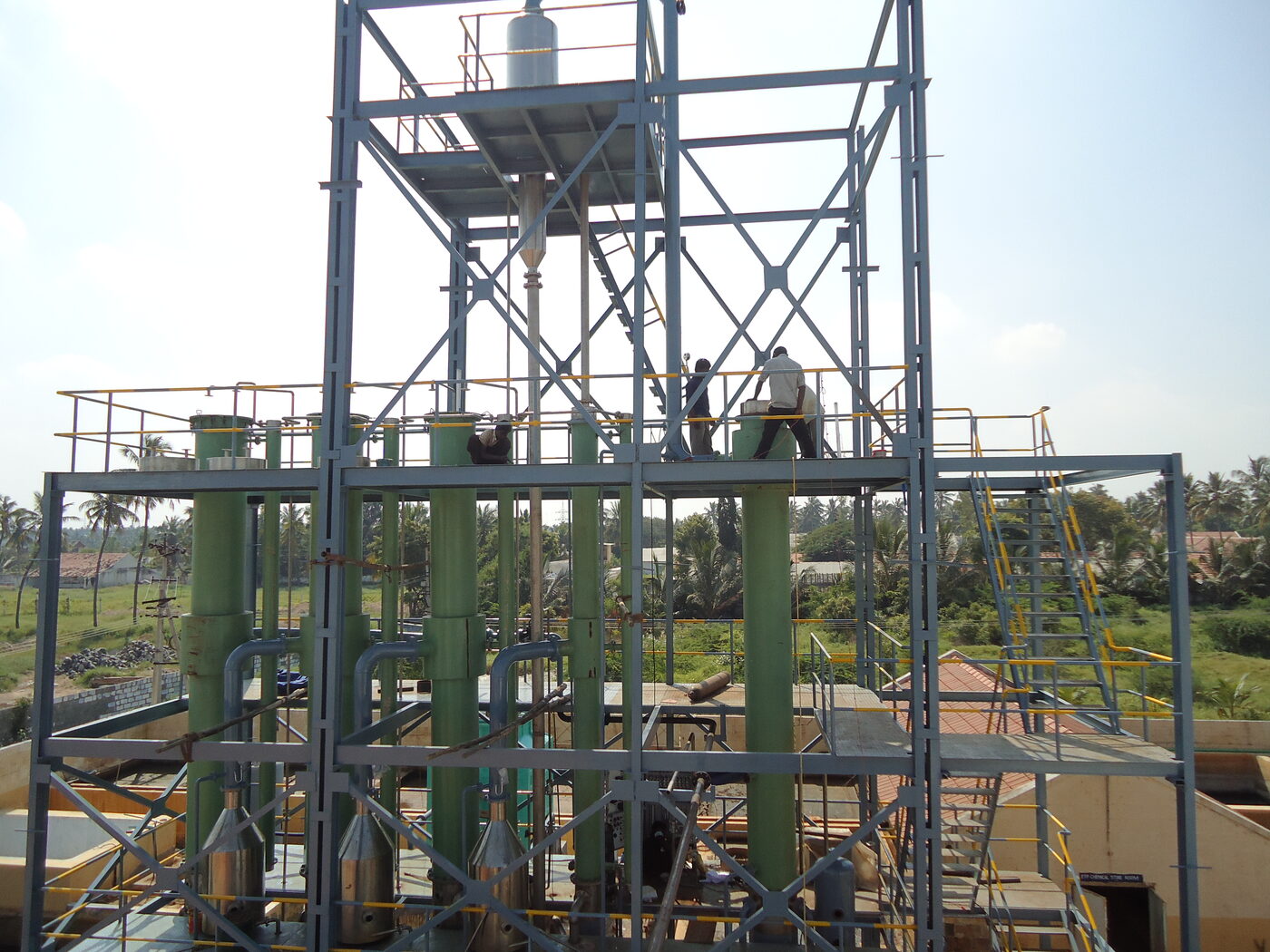
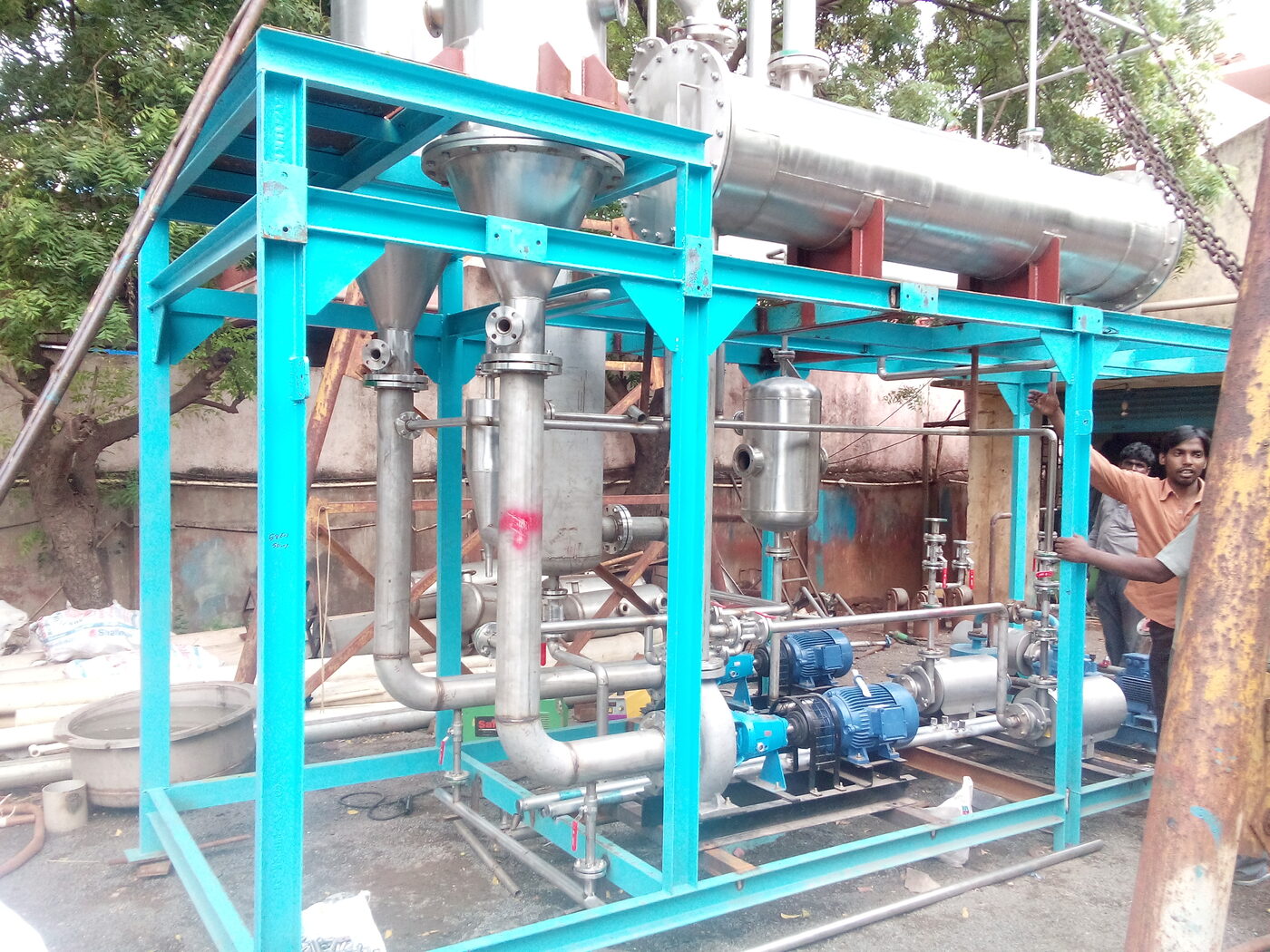
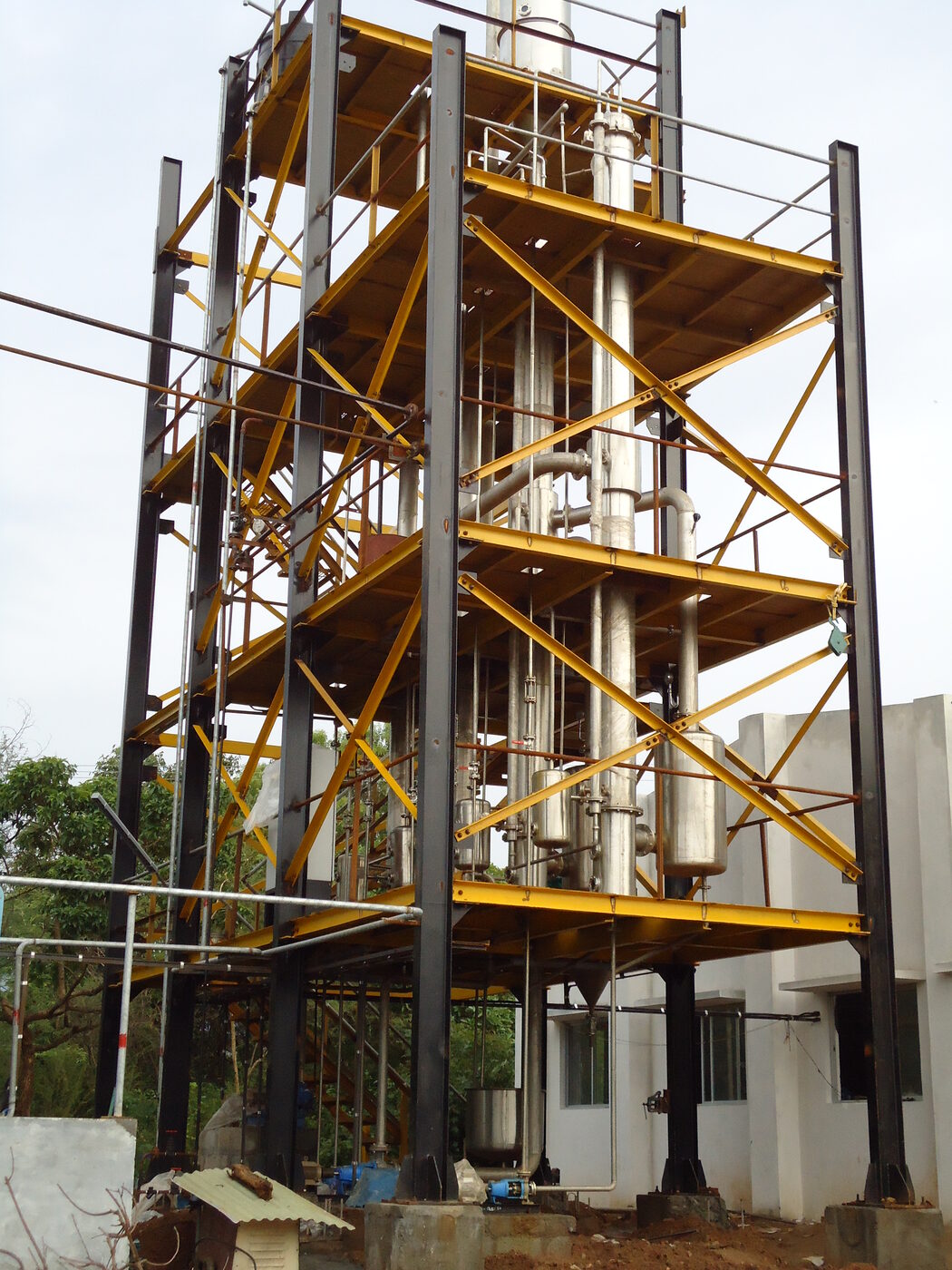
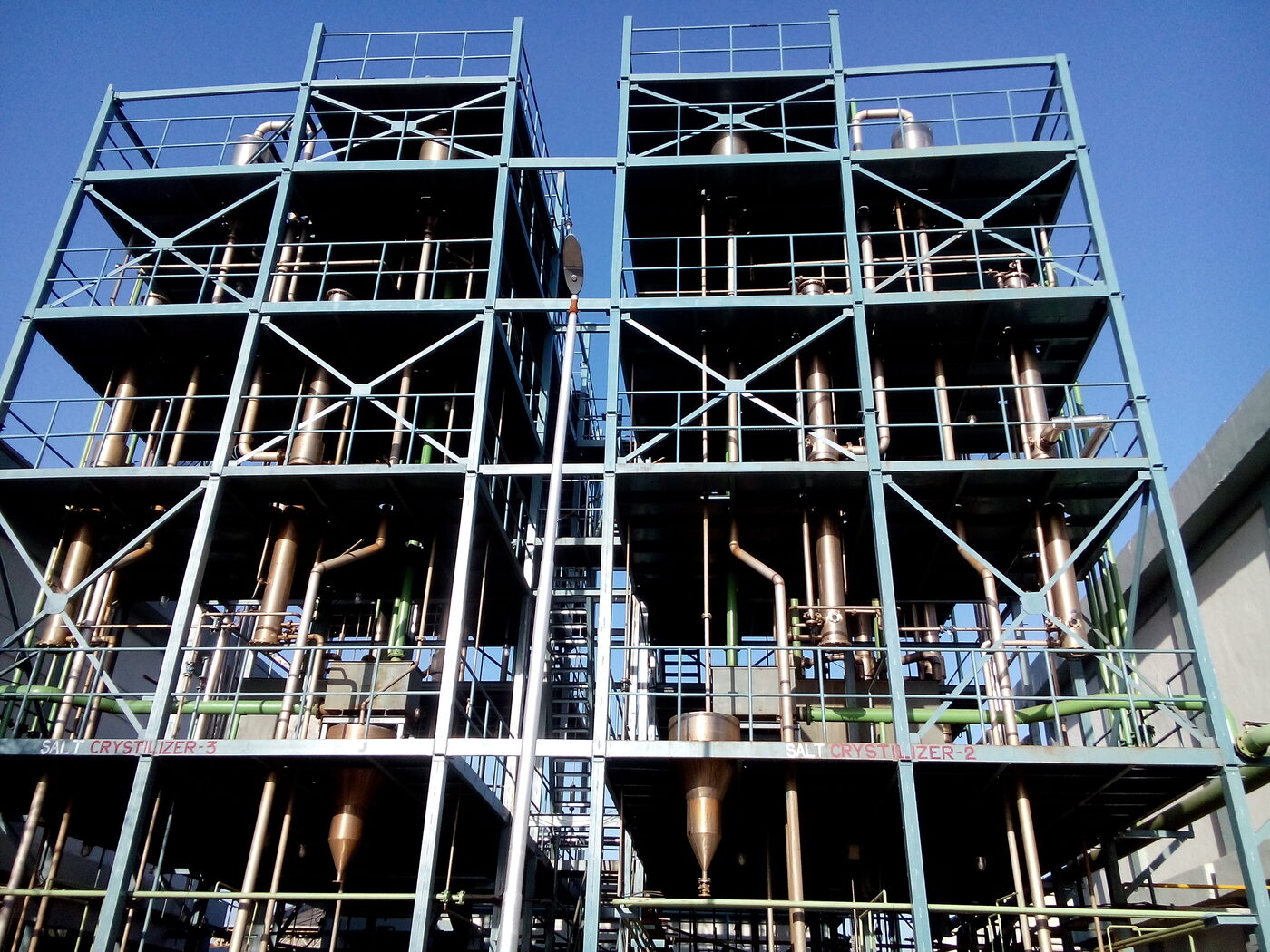
Forced circulation evaporators pump the liquid through an external heat exchanger at high velocity, suppressing boiling on the tube surface and preventing scaling and fouling. This makes them ideal for viscous, crystallising, or salt-laden streams that would foul a falling film unit — caustic, brines, fertilisers, and effluent concentrates. KWS pairs forced circulation with crystallisers and ATFD dryers in ZLD trains for final-stage concentration.
Key Advantages
Handles fouling & scaling
High circulation velocity keeps heat-transfer surfaces clean even with crystallising and high-TDS feeds.
High solids concentration
Reaches concentrations beyond the reach of film evaporators, up to crystallisation point.
Robust materials
SS 316L, Duplex and Hastelloy options for aggressive and corrosive duties.
ZLD-ready
Integrates with crystallisers and ATFD as the concentration heart of a zero-liquid-discharge plant.
Technical Specifications
| Capacity Range | 200 – 20,000 L/hr |
|---|---|
| Construction MOC | SS 316L / Duplex |
| Operating Pressure | Vacuum – 6 bar |
| Steam Economy | 0.8 – 1.0 kg/kg (single effect) |
| Configurations | Single / Multi-effect · with crystalliser |
| Standards | IBR / ASME |
| Delivery Timeline | 10 – 16 weeks |
Applications
- Caustic soda concentration
- Effluent & ZLD concentrate
- Fertiliser & salt solutions
- Acids & specialty chemicals
- Brine concentration
Frequently Asked Questions
When should I choose forced circulation over falling film?
When the feed is viscous, scaling, crystallising, or high in dissolved solids — conditions that would foul a falling film unit.
Can it reach crystallisation?
Yes. Forced circulation evaporators are commonly run to the crystallisation point and paired with crystallisers and centrifuges for salt recovery.
Related Products
Discuss your forced circulation evaporators requirement
Share your feed type, capacity and concentration — our engineers respond within 24 hours.