Zero Liquid Discharge Systems
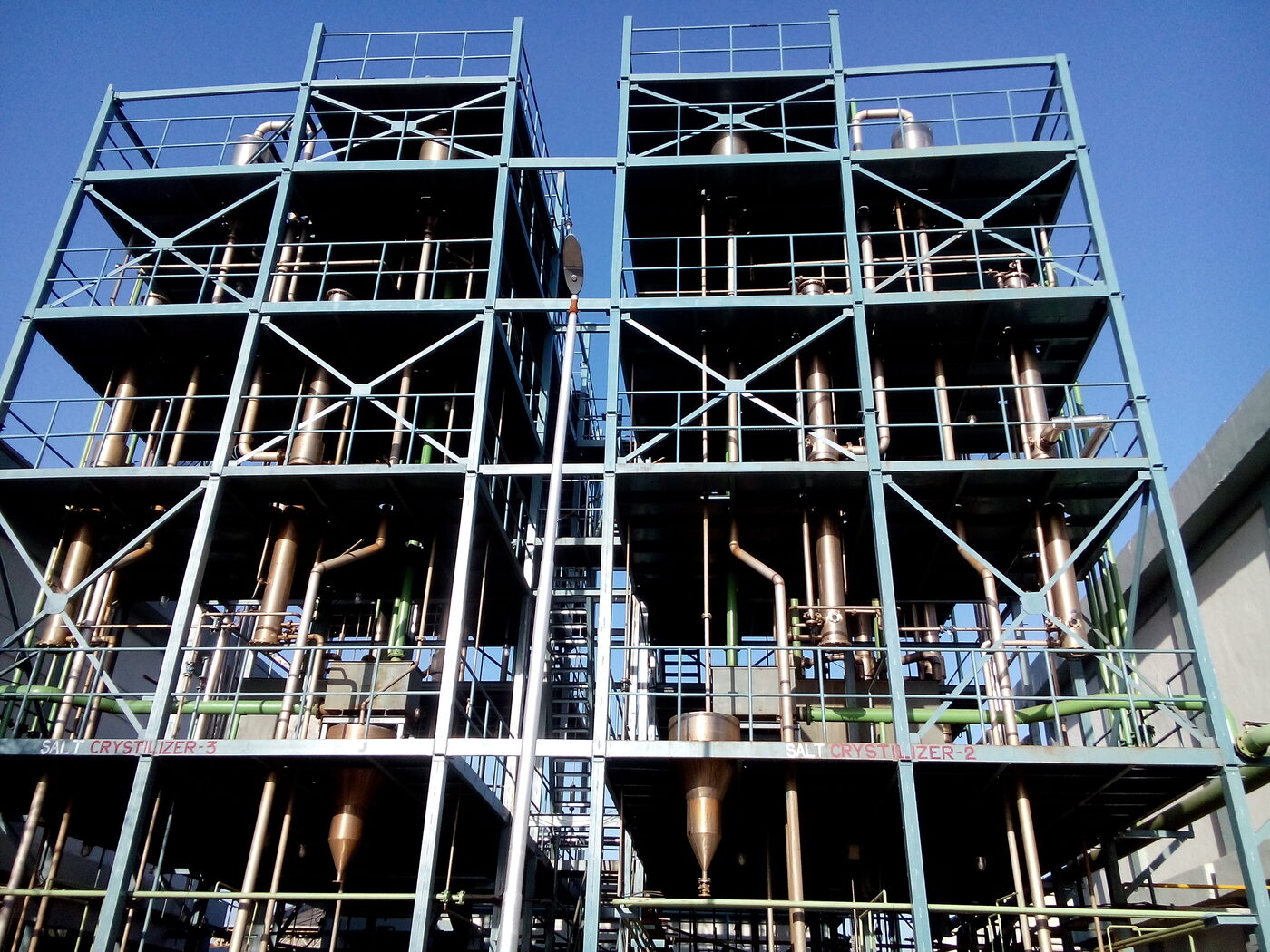
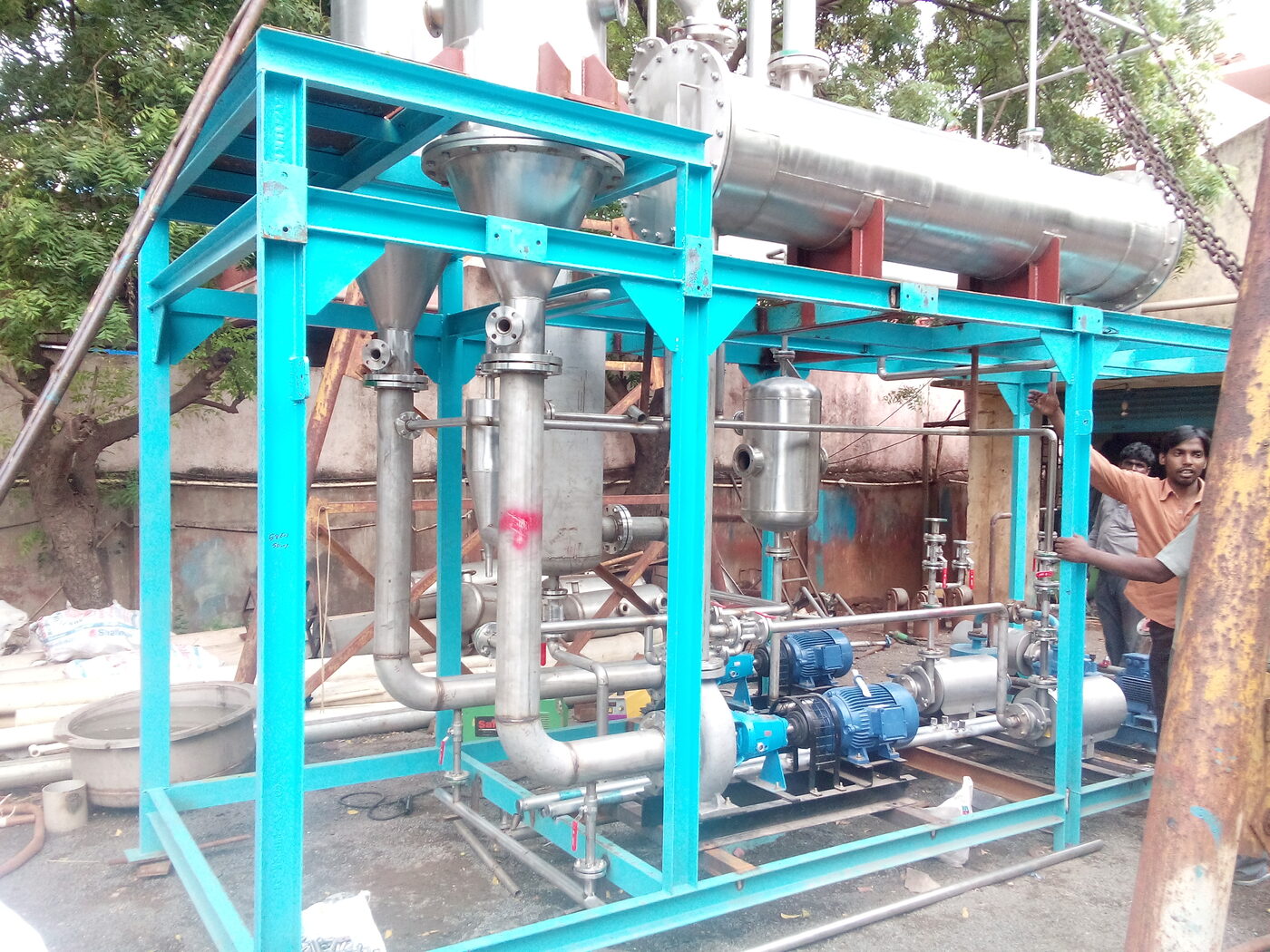
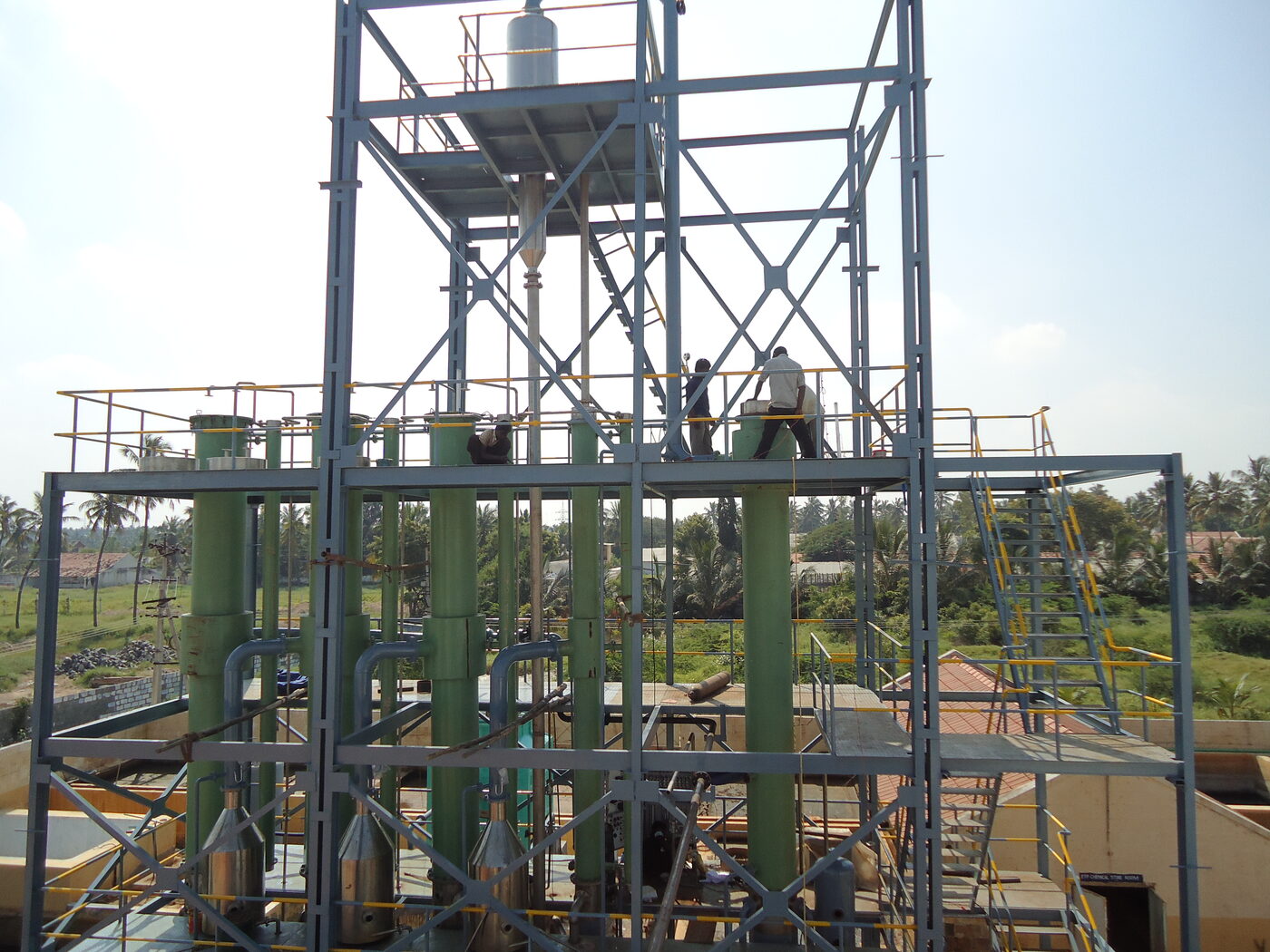
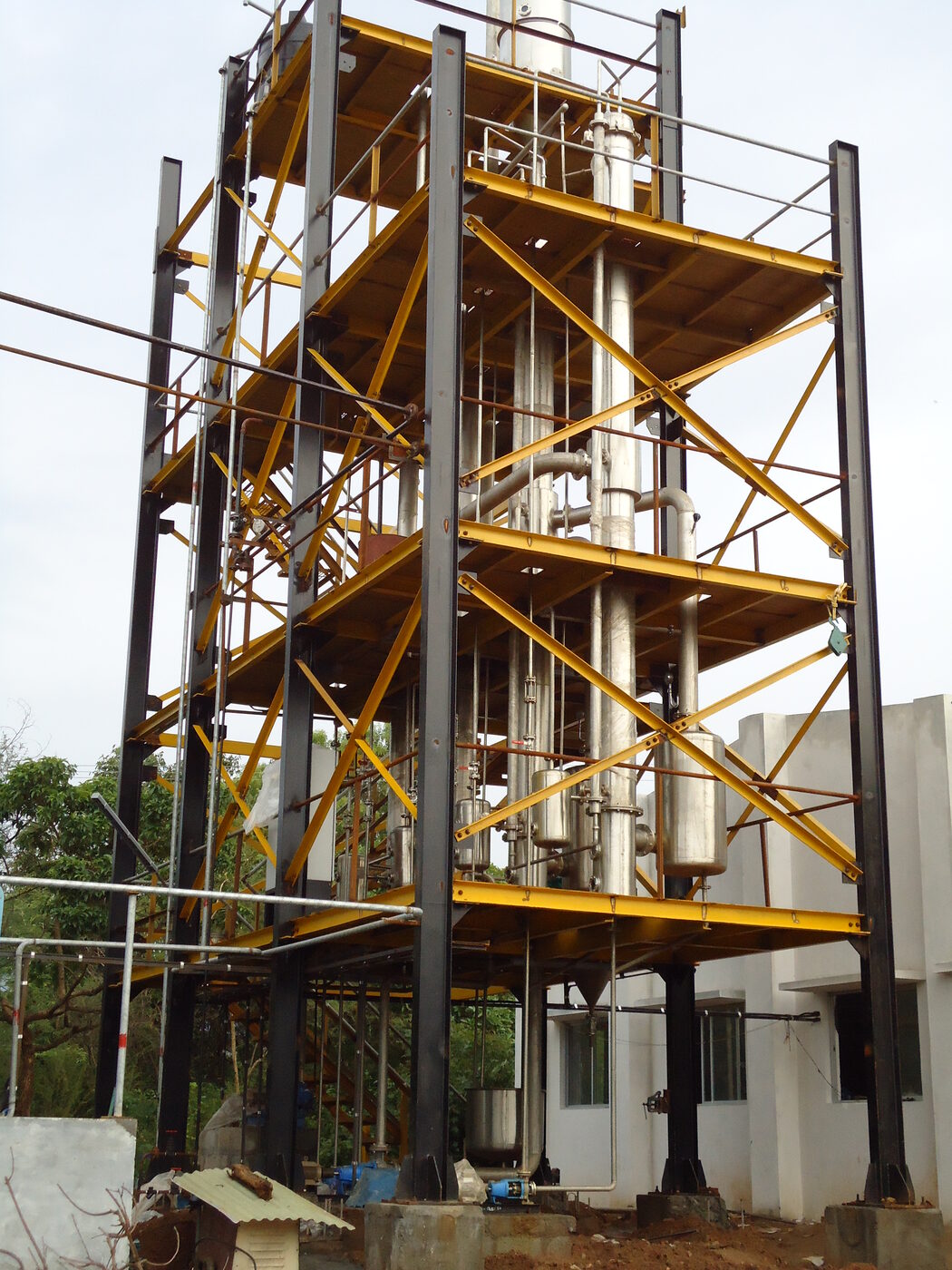
Zero Liquid Discharge (ZLD) eliminates liquid effluent discharge by recovering water for reuse and converting dissolved solids into dry salt. A KWS ZLD train typically combines pre-treatment, a Multiple Effect or MVR evaporator, a crystalliser, centrifuge, and an Agitated Thin Film Dryer for final solids — all engineered to the effluent's specific chemistry to meet CPCB norms. Each plant is delivered turnkey, from process study to commissioning.
Key Advantages
CPCB-compliant by design
Engineered to achieve regulatory zero-discharge for textile, chemical and pharma effluents.
Water recovery & reuse
Recovers the bulk of effluent as clean condensate for process reuse, cutting freshwater demand.
Salt recovery
Crystalliser and centrifuge recover saleable or disposable salt; ATFD dries the final sludge.
Process-study led
Detailed feed characterisation first, so the plant handles worst-case flows reliably.
Technical Specifications
| Capacity | Custom design to feed flow & TDS |
|---|---|
| Construction MOC | SS 316L / Hastelloy |
| Operating Pressure | Vacuum |
| Steam Economy | 4.0 – 6.0 kg/kg (with MEE) |
| Train | MEE/MVR + Crystalliser + Centrifuge + ATFD |
| Standards | CPCB ZLD · IBR / ASME |
| Delivery Timeline | 16 – 28 weeks |
Applications
- Textile & dyeing effluent
- Chemical & pharma effluent
- CETPs
- Tannery & leather
- Pulp & paper
Frequently Asked Questions
What does a full ZLD plant include?
Typically pre-treatment, an MEE or MVR evaporator, a crystalliser, a centrifuge for salt separation, and an ATFD for final sludge drying — sized to your effluent.
Is the recovered water reusable?
Yes. The condensate recovered from evaporation is generally suitable for process reuse, dramatically reducing freshwater intake.
What TDS level requires a ZLD system instead of RO alone?
Once reject TDS climbs past roughly 35,000 mg/L, membrane systems become uneconomical due to osmotic pressure and fouling — evaporation-based ZLD takes over from there.
Is ZLD mandatory for my industry?
CPCB mandates ZLD for several sectors including textile dyeing units and certain chemical/pharma categories, typically based on effluent volume and location (CETP-linked units often have specific norms). Share your sector and location and we'll confirm applicability.
What happens to the salt recovered from a ZLD plant?
Recovered salt is either sold for reuse (where purity allows) or safely disposed of per CPCB guidelines, depending on the effluent source and salt composition.
How much does a ZLD system cost to run?
Operating cost depends heavily on configuration (MEE vs MVR) and local steam/power tariffs — this is exactly the kind of trade-off our free process audit is designed to quantify for your site.
Related Products
Discuss your zero liquid discharge systems requirement
Share your feed type, capacity and concentration — our engineers respond within 24 hours.